What actually happens
We separate the physical sequence of play, valid player decisions, dealer procedures and payout conditions so the table stops feeling mysterious.
Independent Australian game education
Rules without the theatre. Odds without the spin. Mire Lithium explains classic casino games with clear maths, cultural context and a firm focus on informed, lower-risk decisions.
The game library
Start with the shape of a game: what decisions exist, where chance takes over and what the published probabilities really mean.
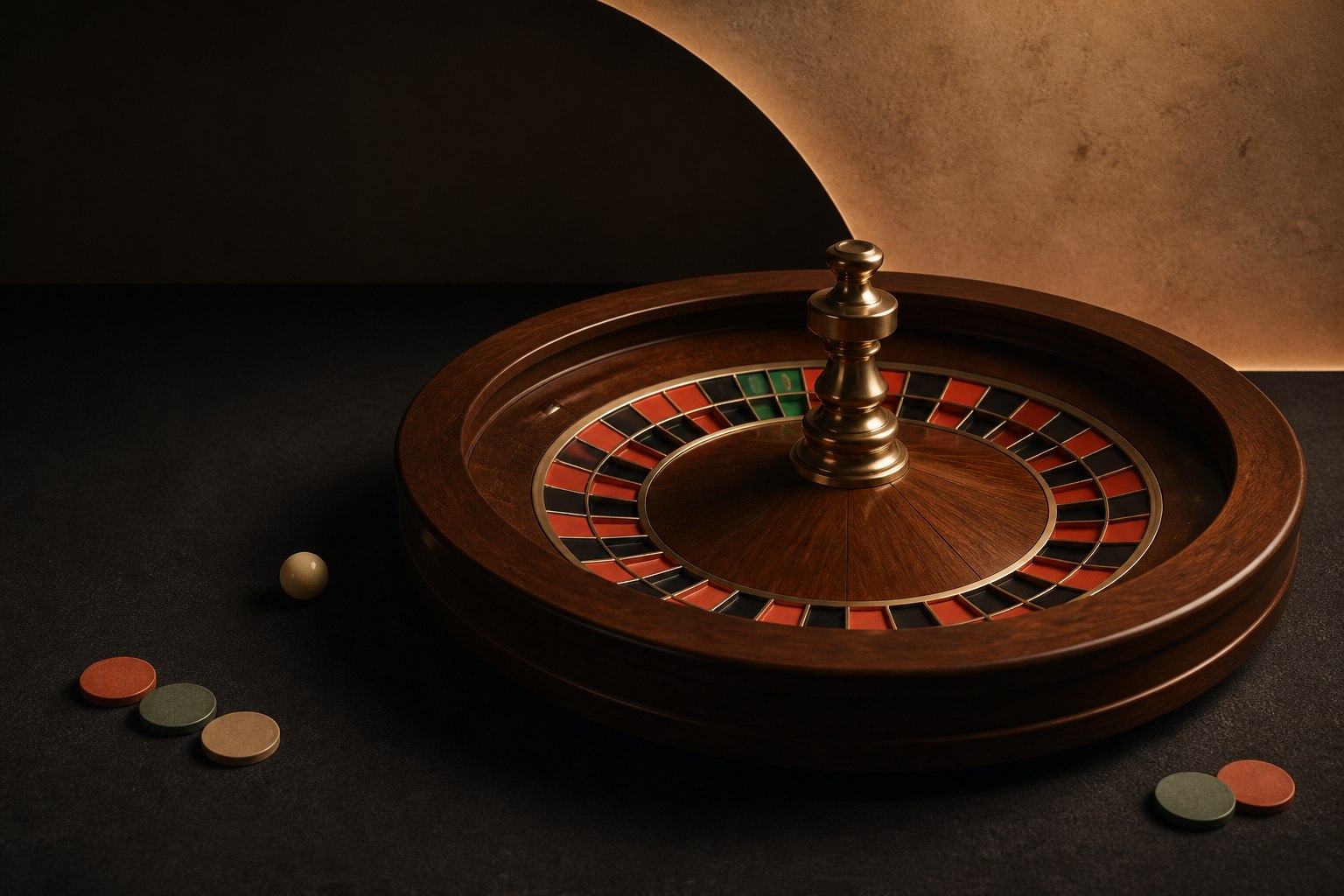
A numbered wheel, fixed payouts and one green pocket that changes the maths. Compare European and American layouts.
Read the guide →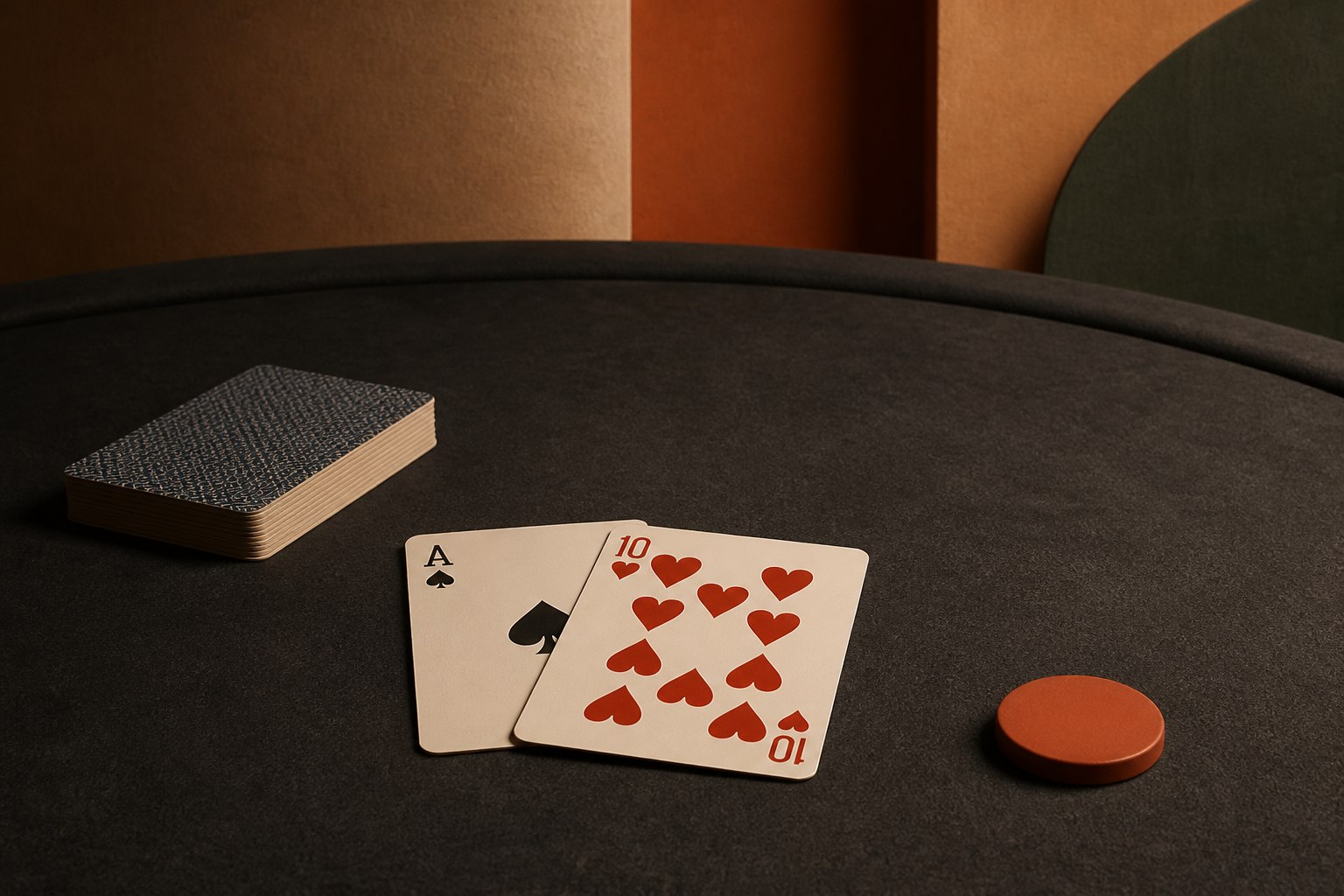
Learn hand values, player choices, table rules and why no strategy can remove the house advantage.
Read the guide →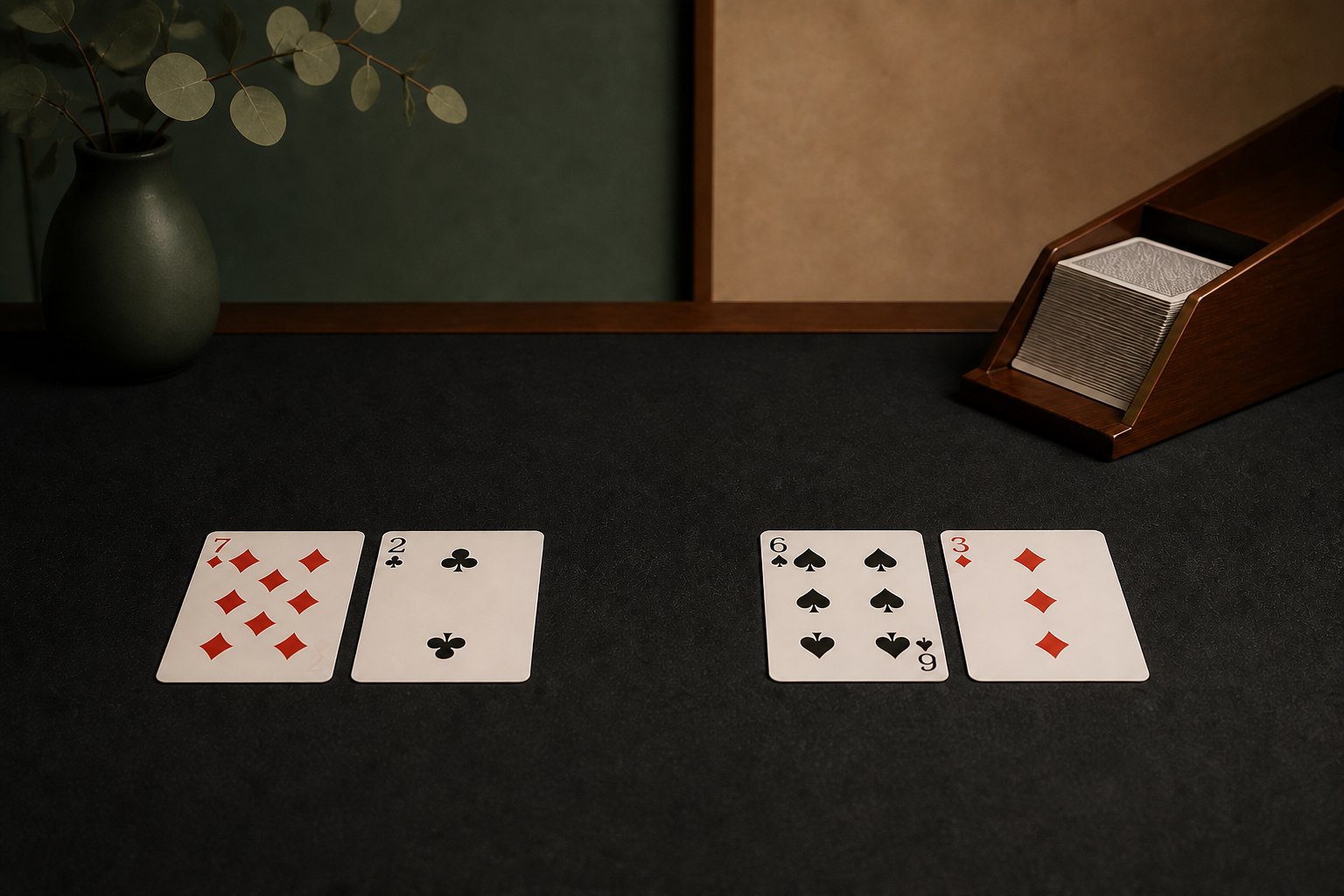
Decode Player, Banker and Tie, the automatic third-card rules, commissions and common myths.
Read the guide →
A practical map of the come-out roll, point cycle and the very different costs hidden across the layout.
Read the guide →
How table poker variants differ from poker rooms, with a close look at Three Card Poker and Caribbean Stud.
Read the guide →
Three dice create dozens of wager types. See the 216 possible outcomes and why payouts vary so widely.
Read the guide →Our editorial lens
A rule is only useful when you can place it beside probability and real-world behaviour.
We separate the physical sequence of play, valid player decisions, dealer procedures and payout conditions so the table stops feeling mysterious.
Probability, return-to-player figures and house edge are explained as long-run statistical tools—not promises about a session or a prediction of the next result.
We cover pace, rule variations, side bets, cognitive biases and warning signs, because risk is shaped by more than the headline percentage.
The essential concept
If a wager carries a 2.7% house edge, it does not mean every $100 session ends exactly $2.70 down. It means that across an enormous number of identical wagers, the average amount retained by the house trends toward $2.70 per $100 staked.
Short play can end above or below that average because outcomes vary. More rounds do not make a loss “due” to reverse, and a run of one colour or result does not make the opposite outcome more likely in an independent game.
Lower house edge means a lower average mathematical cost under the stated rules. It never turns gambling into income, eliminates variance or guarantees a safer session.
The proportion of times an outcome is expected to occur over many independent trials.
The casino's theoretical average share of each unit wagered over the long run.
How widely short-term results can swing around the expected average.
A theoretical long-run return percentage, not an amount reserved for each player.
“A game can be understood completely and still remain unpredictable.”

Before any game
Gambling should never be used to solve money problems, change a mood or recover a previous loss. The strongest decision may be not to play.
Free, confidential Australian support is available 24/7:
Gambling Help Online — 1800 858 858
Quick answers
Mire Lithium discusses real-world casino games and gambling risk for educational purposes. It does not offer gambling or accept money.
Your confirmation is stored only in this browser. See our storage policy.